

I help people recover from substance abuse and addictions. In a perfect world, everyone I support would be merely coping with substance abuse, this way; they never learn the terrible consequences of addiction.
If you are concerned about your substance use, struggle with abuse or dependence, you owe it to yourself and those you love to get in touch with right now.
Call: (312) 899-1120
Substance Abuse & Addiction: What is the difference?
In simple terms, the difference between substance (or drug) abuse and addiction is the degree to which someone is “hooked.” While nearly 20% of Americans abuse some drug each year, not all will become addicted.
Addiction occurs when people develop a physical dependency on the drug. In other words, if the drug is not taken, withdrawal symptoms occur, some of which can be deadly.
The National Institute on Drug Abuse puts it this way, “Addiction is defined as a chronic, relapsing disorder characterized by compulsive drug seeking, continued use despite harmful consequences, and long-lasting changes in the brain. It is considered both a complex brain disorder and a mental illness. Addiction is the most severe form of a full spectrum of substance use disorders, and is a medical illness caused by repeated misuse of a substance or substances.”
In other words, addiction is the severe outcome that stems from repeated substance abuse.
What is Substance Abuse?
Abuse of a substance occurs when the importance is improperly used.
Illegal drugs are automatically “abused” because any use is illicit; that is, there is no lawfully recognized use for the drug.
However, even legal substances like alcohol and prescription medications can be abused, especially if taken in excess or unnecessary.
And tobacco use is now considered abuse because of the harm it does to the body.
In essence, any substance which, after repeated, chronic use leads to addiction is a substance that is being abused.
What are the consequences of substance abuse?
Naturally, if someone uses an illegal substance, they risk legal troubles, which can follow someone for life.
Yet, beyond the legal problems are the natural physical and lifestyle consequences of not just abuse but also of addiction. Understand that long-term, chronic use of substances WILL lead to addiction. There is no avoiding addiction because repeated, long-term abuse causes changes in the natural functioning of bodily systems beyond our control. This is especially so if we have a genetic predisposition to addiction.
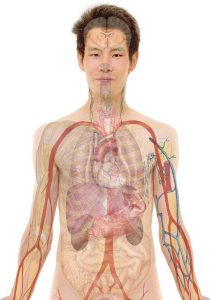
Substance abuse weakens the immune system, making many drug users more susceptible to viruses like COVID19 and Hepatitis or other diseases. Drug abuse also causes damage to the circulatory system, the gastrointestinal system, respiratory system, liver, and kidneys. This is the reason so many users of methamphetamine suffer from staph infections.
Also, the deeper into drug use a person goes, the more their relationships suffer. Romantic relationships suffer; family relationships suffer; work and career relationships suffer.
Finally, substance abuse causes harm to the brain and mind. The brain as an organ comes to like the substance and craves continued use. Then, the brain will stop producing dopamine, serotonin, and other important neurotransmitters, relying instead on these from drug use.
At the same time, the brain becomes addicted to the substance, profound changes occur within the mind. The most common changes result in severe depression or anxiety disorders.
How do I know if I have a substance abuse problem?
You may have been hearing it from your family and friends. It’s an annoying chorus of You’re drinking too much. You are not the same. What is going on with you? Why are you acting so strange?
You shrug it off, confident you have everything under control. Maybe it’s alcohol; it’s perhaps coke or meth, pills or party drugs like Molly or X. Whatever it I, it has started to alter your personality, and people who care are noticing.
If friends and family have started to suggest you have a problem, you have a problem. I know this is not what you want to hear, but it is the truth. But what if no one has noticed?
You may still have a problem. If you think you do, if you think your consumption is getting out of control, chances are it is.
Can I be addicted to something other than a substance?
Yes, any activity which reaches the point of controlling your life has become an addiction. How?
Activities like sex and exercise naturally cause increased levels of certain neurotransmitters in the brain. Excessive use of actions can result in harm. The harm results when the brain starts to rely on the activity for the chemicals it needs rather than producing and regulating production naturally.
In fact, people can be addicted to sex, porn, eating, shopping, video games, thrill sports, gambling…really, anything which results in changes to the neurotransmitters in the brain.
Addiction involves psychology as well as brain chemistry. Any time we alter brain chemistry through activities we run the risk of developing a dependency on the activity, to the extent that it consumes us. As with chemical dependency, these addictions can cause numerous mental health problems.
What are the Warning Signs of Abuse or Addiction?
The warning signs of substance abuse and addiction are many, but in general if any of the following applies to you, please try to seek help.
- You keep using a prescription drug long after it is needed.
- You’ve developed a tolerance for a drug, needing more to achieve the same feeling.
- You are experiencing withdrawal effects like feeling “strange” when it wears off, getting the shakes, feeling depressed without it, sick to your stomach, headaches.
- You are unable to stop using even if you want to; you try to limit use, but cannot.
- The substance is causing problems in your life.
- You spend a lot of time thinking about getting a drug and using it; even thinking about how you will feel about taking it.
- Things you once enjoyed you no longer do.
- You have trouble doing everyday tasks like work, cooking.
- You engage in risky behaviors like speeding, unsafe sex.
- You borrow to pay for drugs.
- You steal for money to pay for drugs.
- You hide your drug use from others.
- You’re not getting along with co-workers, family, friends. They complain about how you act.
- You sleep more or less than you did formerly.
- You have bloodshot eyes, bad breath, shakes, weight gain or loss.
- You have friends with whom you only engage in drug use.
- You use multiple doctors for prescription drugs.
- You search medicine cabinets of friends, family.
- You combine drugs and alcohol; perhaps speedballing.
Lev Counseling for Substance Abuse & Addiction
I take a collaborative non-confrontational approach. In a safe environment conducive for honest dialogue, we will complete an assessment and discuss a treatment plan tailored to you.
I incorporate numerous approaches, there is no universal approach: Including:
Cognitive Behavioral Therapy (CBT), in which you will learn how to adopt new thought patterns. These will help you break free from the thinking which led to your substance abuse in the first place; Motivational Interviewing: allowing you to develop your own motivation and plan; Dialectical Behavioral Therapy;
You and I will work together to help you discover your triggers and how to suppress cravingings. This will clear the way for you to move forward into a bright future. The goal is to help you be a better version of you…a version free from addiction to drugs, alcohol or whatever is preventing you from living your best life.
To arrange a time to meet, call me now at (312) 899-1120